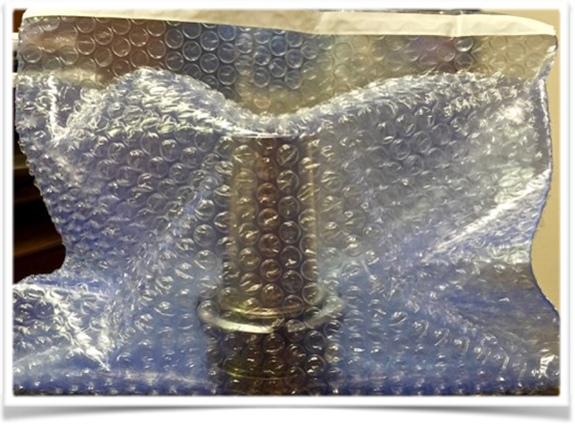
Why Your Choice of VCI Packaging is a Make-or-Break Decision

📌 Strategic Key Takeaways for UK Manufacturers

  • Identify the Intent: Use films for external transit, liquids for internal geometries, and paper for fast-acting interleaving during production.
  • Match the Chemistry: Not all VCI is the same. Ensure your packaging is specifically formulated for your metal type, whether it’s ferrous (steel/iron) or non-ferrous (copper/aluminium).
  • Prioritise Sustainability: With European environmental standards tightening, adopting landfill biodegradable film or recyclable options is no longer just “nice to have”—it’s a compliance necessity.
  • Control the Environment: VCI is most effective on clean, dry surfaces. Ensure parts are free of fingerprints and acidic residues before wrapping.

In the high-stakes world of European manufacturing, rust isn’t just a minor technical nuisance—it’s a silent thief of profit. Whether you are transporting precision automotive components through the salty air of the English Channel or mothballing heavy machinery in a damp warehouse in the West Midlands, the integrity of your metal assets is constantly under siege.

Traditional oils and messy greases? They’re relics of a bygone industrial era. Today, Volatile Corrosion Inhibitors (VCI) have completely rewritten the protective playbook. But here’s the rub: with an array of formats including films, liquids, and papers, how do you actually pick the right shield for your specific workflow?

The Science of the “Invisible Shield”

VCI technology doesn’t merely “cover” a part like a standard plastic wrap. Instead, it involves a sophisticated molecular release. These specialised molecules migrate from the packaging material into the surrounding enclosure, forming an invisible, monomolecular layer on the metal surface. This layer acts as a barrier, halting the electrochemical reaction of oxidation before it can even begin.

As Karen Clements, Director of Global Marketing at Daubert Cromwell, puts it:

“Effective corrosion prevention isn’t just about covering a part; it’s about creating a controlled environment where the chemistry does the heavy lifting. Parts should arrive clean, dry, and ready for immediate use—no degreasing required.”

The “Big Three” Breakdown: Which One Wins?

1. VCI Films: The Versatile Heavyweight

When it comes to corrosion protection plastics, VCI film is the undisputed heavyweight champion for dispatch. It provides a two-in-one benefit: a robust physical barrier against dust and moisture, combined with active chemical prevention.

  • Best For: Overseas transit and long-term pallet storage where puncture resistance is non-negotiable.
  • The Green Shift: UK manufacturers are pivoting fast toward sustainable VCI films and recycled VCI film to mitigate the impact of the UK Plastic Packaging Tax.
  • Performance Pick: Premium Metalguard is engineered for high-strength durability, ensuring it won’t tear during the rigours of dockside loading.

2. VCI Liquids: For Complex Internal Geometries

Sometimes, a bag or a sheet of paper just won’t cut it. For engine internals, gearboxes, or complex piping systems, VCI liquids are the premier choice. These products act as a vapour phase rust inhibitor, effectively “creeping” into recessed areas and blind holes where solid packaging simply cannot reach. They are often used as “fogging” agents or final-stage rinses according to ISO 9223 standards for atmospheric corrosivity.

3. VCI Paper: The Rapid-Response Specialist

If you need an immediate “burst” of protection on a busy shop floor, VCI paper is unparalleled for its speed of saturation.

  • How it Works: Paper provides a high surface area for VCI molecules to volatilise quickly, making it ideal for rapid packaging cycles.
  • Best For: Interleaving between flat components or lining the interior of wooden crates.
  • Industry Gold Standard: For ferrous metals, Mastershield is the go-to, while Powershield remains the #1 choice for multi-metal protection.

Conclusion:

Looking for customised corrosion prevention solutions for your specific manufacturing workflow? Visit the experts at Daubert Europe to discover how we are helping the European market stay rust-free.


❓ FAQ: Navigating Modern Anti-Corrosion Solutions

Q: Can I double up by using VCI film and paper together?
Absolutely. In fact, for brutal humidity or high-value exports, tossing a VCI paper insert inside a VCI bag creates a dual-layer safety margin that is difficult to beat.

Q: Will VCI residues mess with my sensitive electronics?
Generally, no. Specialised ESD films are designed to handle static discharge and rust simultaneously without leaving the gummy, conductive residues associated with traditional oils.

Q: How long does this protection actually last?
When stored in a properly sealed environment, corrosion protection packaging can keep components in pristine, “factory-fresh” condition for anywhere from 6 months to over 2 years.

Q: Is “sustainable” VCI as effective as the original?
Yes. Modern Bionatur products are engineered to meet the same rigorous protection standards as virgin plastics, ensuring you don’t have to sacrifice performance for the sake of the planet.

VCI Bubble Bags Protect Metal Parts From Rust & Shipping Damage

Flexible, adhesive-top bubble bags that protect metal parts from physical damage and corrosion are new from Daubert Europe, the global manufacturer of VCI packaging for industry. 
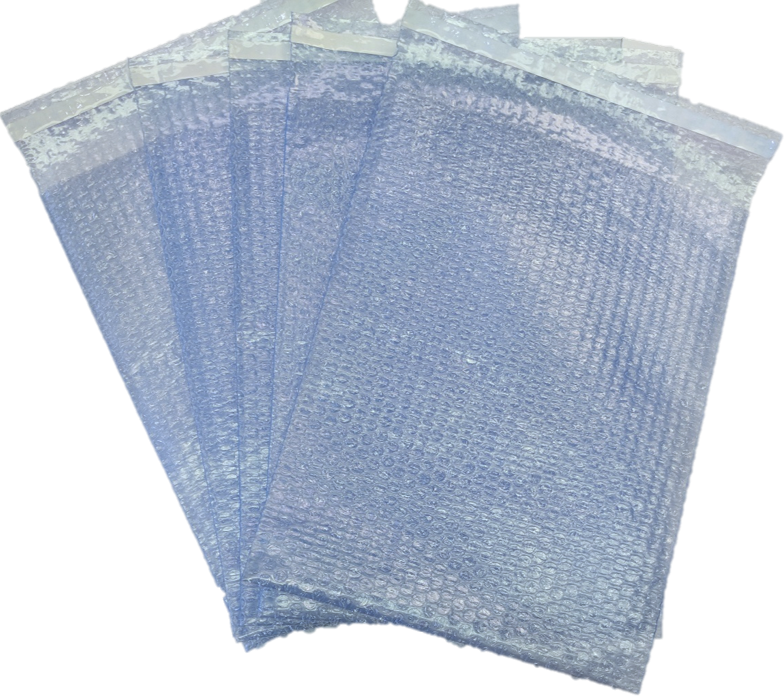
daubert europe vci film bubble bags

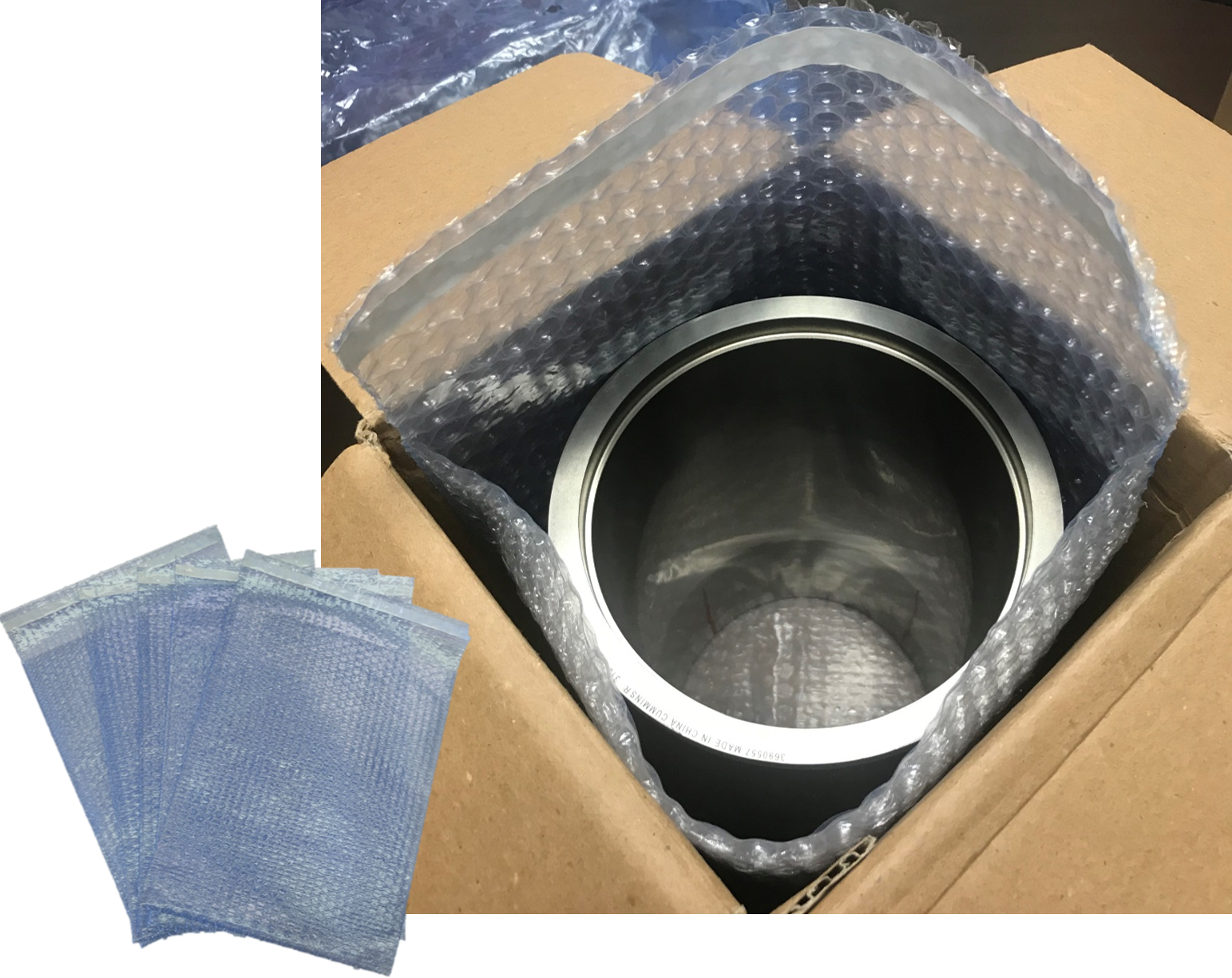
Premium Metal-Guard® VCI bubble bags provide cushioning and corrosion protection for highly polished, precision machined parts in storage and during transit. Bags are best for heavy metal parts and delicate components that are susceptible to damage due to vibration during shipment.  Optional peel-and-seal closure makes bags easy to use, up to 3 times faster than hand-wrapping.

Standard VCI bags are 2-layer, bubble-out construction, allowing parts to slide in easily. The corrosion inhibitor film is safe to handle, odorless, and does not affect processing or soldering.  Ideal for packaging computer equipment, electronics, and heavy components with machined surfaces that need individual wrapping to prevent marring and scuffing.

  • Air bubbles on the outside of the bag cushion the part from movement, abrasion, and rubbing against other parts in the shipping container or box.
  • Resists tears and punctures.
  • Lip and tape closure eliminates need for tape or staples.
  • Reduces labor costs and packaging time.

For more information about VCI bubble bags or any of Daubert Europe's VCI films, papers, foam, emitters, rust preventive liquids and rust removers, contact  +49-89-4522036-0 or  service@daubertcromwell.eu.
Package Your Metal Parts to Survive in Tough Temperatures

Are your parts properly packaged to survive? Or will they need costly rework? 

Seasonal changes in temperature and humidity create the perfect environment for corrosion.

Our Technical Experts offer valuable industry-focused expertise – from Military & Aerospace or Automotive industries, to Heavy Equipment, Metalworking and Export.  Our complimentary global business programs can help you pinpoint problem areas so your metal parts arrive at their destination clean, rust-free and ready to use.

Explore our site to learn more about how our VCI corrosion protective packaging works to protect your metal products and reduce your cost of corrosion.

Protect your valuable parts and equipment in every season with Daubert Cromwell VCI.

The Leading Name in Corrosion Prevention®


Selecting The Right VCI

Stop rust with vci packaging

VCI PROTECTION IS A FUNCTION OF:
  • Which metals are in need of protection.
  • Corrosion inhibiting chemicals used and their effectiveness on the metals.
  • Ratio of chemicals in the formulation.
  • Amount of volatile corrosion inhibitors on the paper or in the film.
  • pH of the finished product.
  • Water solubility and the effectiveness of the corrosion inhibitor in the presence of moisture and/or high humidity.
  • Natural, neutral kraft paper or polyethylene film used as the carrier for the VCI.
  • The overall packaging design and the conditions expected during packing, shipping and storing.

Not all VCIs are created equal and often, one VCI formulation that works under one set of conditions will not work under another. One has to take into account all aspects of the process, metals composition, packaging, storage and shipping conditions in order to select the right packaging media and VCI formulation.

A large number of combinations are available from Daubert Cromwell and chances are we have one that will be effective in any specific application. To learn more about packaging your products with Daubert Cromwell, please view our Packaging Design Criteria file.

You can download a copy for free by clicking here.